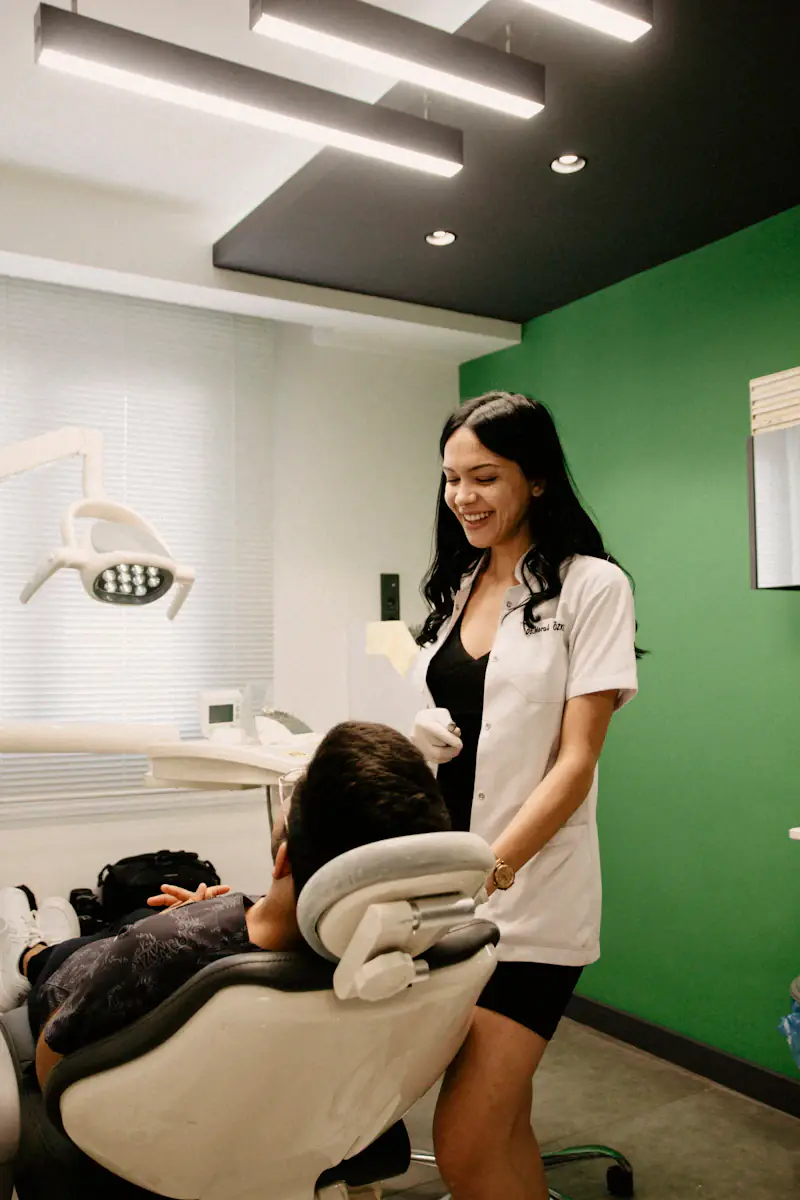
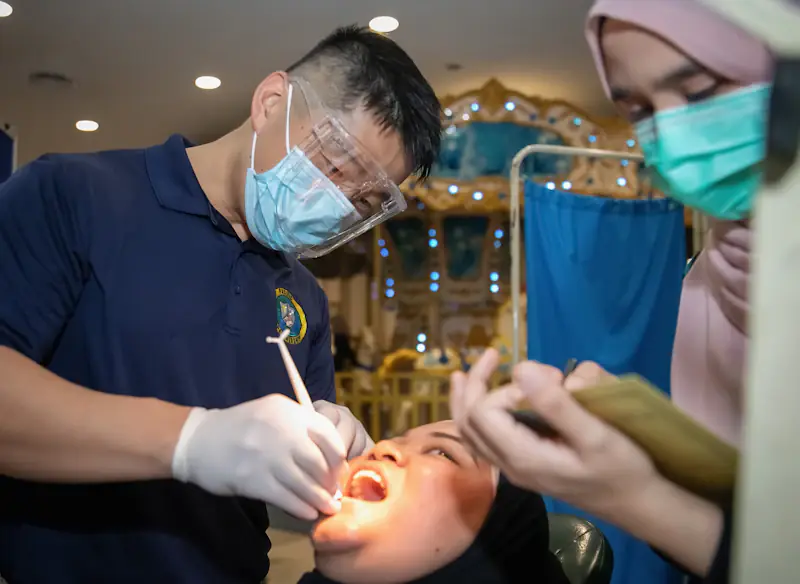
Sentosa Dental Group runs nine locations in Jakarta. Each location had its own WhatsApp number, front desk team, and way of working. Central marketing ran ads for every location but couldn't tell which ones replied fast and which let leads go cold. We brought everything into one CRM, built automatic routing, and created a dashboard the CEO reads every Monday.
The resultWeekly leads grew 4.6×, cost per lead fell 64%, and 83% of leads are followed up within 5 minutes.
Meet Sentosa.
Hendra Gunawan is CEO of Sentosa Dental Group, which grew from one clinic to nine locations in six years. Each location is led by a head dentist and two to three front desk staff.
Ad leads landed in nine different WhatsApp numbers. Nobody knew how long each location took to reply. Locations with busy front desks left leads waiting for hours while the ads kept sending more. Google and Meta never learned which patients actually showed up.
Each location logged leads its own way, some in paper notebooks.
Only 21% of leads got a reply within 5 minutes. The average was 2 hours 40 minutes.
Budget was split evenly, regardless of how well each location turned leads into patients.
The ads didn't know which patients actually came in to a location.
One system for every location, with the same numbers for everyone.
The owner, marketing, and location front desks see the same dashboard. Leads land in one place, get assigned automatically, and every patient who shows up is fed back to the ads.
- 01One number, one CRM
All leads go to one WhatsApp Business API number and one CRM, then get assigned to locations.
- 02Automatic routing
Leads are assigned by patient location and which front desk staff are online. Escalation after 5 minutes without a reply.
- 03Offline conversions
Patients who show up at a location are sent back to Google and Meta with their treatment value.
- 04Monday dashboard
Leads, follow-up speed, and patient show-ups per location, read by the CEO every Monday.
What didn’t work first.
Not everything we tried worked right away. Here are two things we stopped, and what we learned from them.
We launched the CRM at every location in one week. Three locations got overwhelmed and went back to the old way. We redid it in phases, two locations every two weeks.
A reply-speed leaderboard visible to every location caused friction. We replaced it with per-location reports sent to each location head.
The engagement timeline.
Audited nine locations, chose the CRM, piloted at two locations.
Phased rollout to the other seven locations. Automatic routing and escalation went live.
Offline conversions running. Budget allocated per location based on patient show-ups.